Hire Employees in the Northern Mariana Islands
2026 EOR, Payroll and Employment Guide
Employer cost is FICA at 7.65%, familiar from any US payroll. What is not familiar is the tax side, two separate income taxes on the same wages, with a statutory rebate returning up to 90% of one of them.
This guide covers FICA employer obligations, the dual Chapter 2 and Chapter 7 income tax structure, the statutory rebate, the absence of statutory annual leave and compliance risk for hiring in the Northern Mariana Islands in 2026. Verified on 26 August 2026 against the IRS and the CNMI Department of Finance.
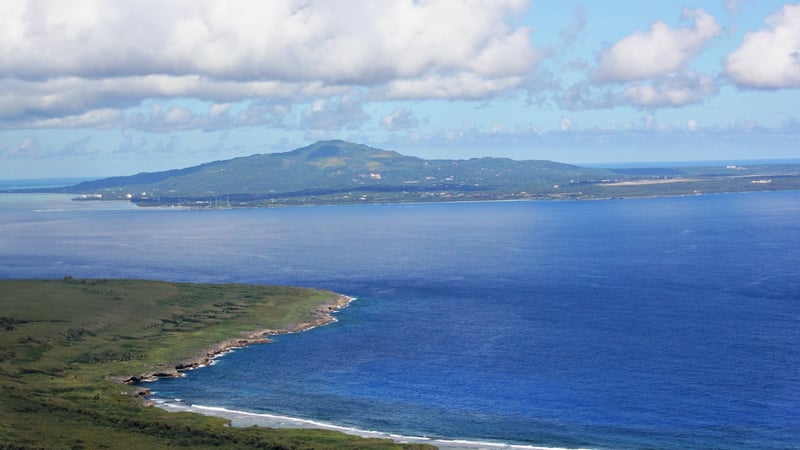
Can a foreign company hire employees in the Northern Mariana Islands?
A foreign company can employ through a local entity or an Employer of Record. Payroll runs on US federal machinery, including quarterly Form 941 filings to the IRS.
The Northern Mariana Islands is a Commonwealth in political union with the United States, using the US dollar and running payroll on US federal machinery.
Two routes exist. A local entity gives direct employment; an Employer of Record removes that setup and acts as legal employer.
The employer side will feel familiar to anyone who has run US payroll. FICA applies, quarterly Form 941 is filed with the IRS, and the FLSA governs wages and overtime.
The tax side will not. The CNMI operates its own income tax system, and it is genuinely unlike either a US state or a standalone jurisdiction, see below.
Sources: GX operating experience. CNMI EOR payrollverified 26 August 2026
EOR, entity or contractor, which model fits?
7.65% in FICA. 6.2% Social Security up to US$184,500 and 1.45% Medicare with no ceiling.
Employer FICA is 7.65%, exactly as in any other US jurisdiction.
Social Security is 6.2% of wages, applying to both employer and employee, on earnings up to the 2026 wage base limit of US$184,500. The cap is adjusted annually for changes in average national wages.
Medicare is 1.45% from each side with no ceiling. A further 0.9% Additional Medicare Tax applies to employee wages above US$200,000, or US$250,000 for married filing jointly and US$125,000 for married filing separately, so withholding rises to 2.35% for the employee once the threshold is crossed, but there is no employer match on the additional amount.
So employer cost is 7.65% up to the wage base and 1.45% above it.
| Employer of Record | Below the wage base | Above US$184,500 | |
|---|---|---|---|
| Time to first hire | 2–4 weeks | 2–4 months via own entity | Same |
| Social Security | 6.2% employer | 6.2% employer | No further liability |
| Medicare | 1.45% employer | 1.45% employer | 1.45%, uncapped |
| Employer FICA total | 7.65% | 7.65% | 1.45% |
| Misclassification risk | Low, statutory employment | Low, statutory employment | Low, but FLSA classification tests apply run the risk check |
| Best for | First 1–12 hires, market entry | Standard hiring | Senior and specialist roles |
Break-even rule of thumb: EOR fees begin to exceed the running cost of a CNMI entity somewhere between 12 and 20 employees. See EOR vs Entity.
Sources: NMI Retirement Fund and GHLIGX operating experience. CNMI EOR payrollverified 26 August 2026
How Employer of Record hiring works in the Northern Mariana Islands
How much does it cost to employ someone in the Northern Mariana Islands?
Two separate income taxes apply to the same wages: the local Wage and Salary Tax under Chapter 2 and the Territorial Income Tax under Chapter 7.
The CNMI taxes the same wages twice, under two separate chapters of its own code. The IRS describes the system as based partly on the same income tax laws and rates as the US Internal Revenue Code, and partly on local taxes imposed by the CNMI government.
Chapter 2, the Wage and Salary Tax. A local graduated tax withheld from wages.
Chapter 7, the Northern Marianas Territorial Income Tax, or NMTIT. This mirrors the US federal income tax, applying the same progressive schedule: 10% to US$11,600, 12% to 47,150, 22% to 100,525, 24% to 191,950, 32% to 243,725, 35% to 609,350 and 37% above that. Non-residents are taxed on CNMI-source income at the same rates.
Payroll must therefore calculate both, on the same earnings, in the same period.
Watch for sources that say the CNMI has no personal income tax. They are describing the absence of a US state income tax and the fact that no state withholding form is used. The territory has two income taxes of its own, and a payroll built on that misreading would withhold nothing at all.
Sources: Northern Mariana Islands paycheck calculatorGX Country Intelligence researchEmployer contribution schedule 2026verified 26 August 2026
2026 mandatory employer contributions
| Contribution | Total rate | Employer share | 2026 cap | Effective cost |
|---|---|---|---|---|
| Social Security, employer | 6.2% | 100% employer | US$184,500/yr | Wage base adjusted annually |
| Social Security, employee | 6.2% | 100% employee | US$184,500/yr | Matched by the employer |
| Medicare, employer | 1.45% | 100% employer | No ceiling | Applies to all wages |
| Medicare, employee | 1.45% | 100% employee | No ceiling | Matched by the employer |
| Additional Medicare | 0.9% | 100% employee | Above US$200,000 | No employer match |
| Employer FICA total | 7.65% | 100% employer | US$184,500/yr | 1.45% above the wage base |
| Chapter 2. Wage and Salary Tax | Graduated | 100% employee | A local tax withheld from wages | |
| Chapter 7. Territorial Income Tax | 10%–37% | 100% employee | Mirrors US federal rates | |
| Statutory rebate | Up to 90% | On Chapter 7 tax | Sliding scale | Materially reduces the real burden |
| Total mandatory employer cost | 1.45%–7.65% | US$184,500/yr | Both income taxes fall on the employee |
Worked example
| Gross annual salary US$60,000 | Below the wage base |
| Social Security employer at 6.2% | US$3,720 |
| Medicare employer at 1.45% | US$870 |
| Employer FICA total | US$4,590, or 7.65% |
| Employee pays the same FICA | US$4,590 |
| Plus Chapter 2 and Chapter 7 tax | Both on the employee, rebate applied |
| Total employer cost | US$64,590 · 7.65% above gross |
the Northern Mariana Islands employer-cost calculator
Enter a gross monthly salary to see the breakdown.
What does a real hire cost? Benchmarks by role
Gross annual salaries in US dollars. Employer FICA is 7.65% up to the Social Security wage base and 1.45% above it.
Benchmarks below are gross annual salaries in US dollars, which the territory uses as its currency. Employer FICA cost is 7.65% up to the Social Security wage base, then 1.45% Medicare only.
Sources: GX Country Intelligence researchNorthern Mariana Islands salary survey data 2026verified 26 August 2026
How the Northern Mariana Islands compares & employer on-costs in the region
Indicative 2026 statutory employer rates on typical professional salaries, before benefits and 13th-month customs. Full country data: hiring in Northern Mariana Islandshiring in Guamhiring in Mainland United States.
How do payroll, income tax and the 13th month work?
Bi-weekly is common, with FICA remitted federally and both CNMI taxes to the Division of Revenue and Taxation.
Bi-weekly payroll is common. FICA is remitted federally with quarterly Form 941 filed with the IRS, while the CNMI taxes go to the Division of Revenue and Taxation.
Employers deduct tax each pay period and remit according to CNMI Department of Finance deadlines.
The Department’s own payroll procedures show deductions segregated by type, FICA, Medicare and others, with quarterly compilation of wages and withholdings for the Form 941 return.
Retirement deductions run every pay period through a separate vendor register process, covering the NMI Settlement Fund and 401(a) contributions.
Sources: verified 26 August 2026
2026 resident income tax brackets
A statutory rebate returns 90% of territorial income tax up to US$20,000, tapering above that, so headline rates overstate the real burden considerably.
The statutory rebate is the single most important feature of CNMI income tax, and it is substantial.
The territorial income tax mirrors federal rates, but a rebate is then applied on a sliding scale:
Tax of US$20,000 or less: 90% is rebated.
Tax between US$20,001 and US$100,000: US$18,000 plus 70% of the excess over US$20,000.
Tax above US$100,000: US$74,000 plus 50% of the excess over US$100,000.
So an employee with a US$15,000 territorial tax liability sees US$13,500 of it returned. The headline progressive rates therefore overstate the real burden very considerably, particularly at lower and middle incomes.
That matters when comparing net pay against a mainland US offer, the gross-to-net relationship is materially different.
| Band | Rate |
|---|---|
| Chapter 2 | Local Wage and Salary Tax, graduated |
| Chapter 7 | Territorial Income Tax, mirroring federal rates |
| Rebate to US$20,000 | 90% of the tax returned |
| Rebate US$20,001–100,000 | US$18,000 plus 70% of the excess |
| Rebate above US$100,000 | US$74,000 plus 50% of the excess |
Resident rates run 10% to 37%. Non-residents are taxed at a flat 37%.
What does the Northern Mariana Islandsese labor law require?
The minimum wage is the federal US$7.25 an hour, and the FLSA governs overtime at a mandatory 150% premium.
The minimum wage is US$7.25 an hour, inherited from the federal minimum.
The FLSA governs overtime for private sector employees and supersedes local law where it is more beneficial to the employee. It mandates a single minimum overtime premium, and payment of the 150% premium is mandatory in cash for private sector staff.
Certain government employees may instead receive compensatory time off at 1.5 hours per overtime hour, but that route is not available in the private sector.
Sources: ILO EPLex - the Northern Mariana IslandsILO EPLex - the Northern Mariana Islandsverified 26 August 2026
Contracts & probation
Contracts should record pay, hours, leave, notice and termination terms.
Set out annual leave expressly. There is no universal statutory requirement for private-sector vacation leave in the CNMI, so whatever the contract says is what applies.
Configure both CNMI taxes alongside FICA before the first run.
Working hours & overtime
The FLSA sets the overtime framework, with a mandatory 150% cash premium for private sector staff.
Because Social Security caps at US$184,500 but Medicare does not, additional pay above the wage base attracts only 1.45% employer cost.
The employee’s Additional Medicare Tax of 0.9% above US$200,000 is withheld but not matched by the employer.
Annual leave
| Tenure | Paid annual leave |
|---|---|
| Working week | 40 hours under the FLSA |
| Minimum wage | US$7.25 an hour, the federal minimum |
| Overtime | 150% premium, mandatory in cash |
| Annual leave | No statutory minimum; set by contract |
| Employment basis | At-will absent a contract |
| Federal filing | Quarterly Form 941 to the IRS |
Public holidays
The Northern Mariana Islands observes US federal holidays alongside local observances including Commonwealth Covenant Day in March and Citizenship Day in November.
The Northern Mariana Islands observes US federal holidays alongside local observances including Commonwealth Covenant Day in March and Citizenship Day in November.
| Holiday | Date (2026) |
|---|---|
| New Year’s Day | Thu 1 Jan |
| Martin Luther King Jr Day | Mon 19 Jan |
| Presidents’ Day | Mon 16 Feb |
| Commonwealth Covenant Day | Tue 24 Mar |
| Good Friday | Fri 3 Apr |
| Memorial Day | Mon 25 May |
| Independence Day | Sat 4 Jul |
| Labor Day | Mon 7 Sep |
| Citizenship Day | Wed 4 Nov |
| Veterans Day | Wed 11 Nov |
| Thanksgiving Day | Thu 26 Nov |
| Constitution Day | Wed 9 Dec |
| Christmas Day | Fri 25 Dec |
Family & sick leave
There is no universal statutory requirement for private-sector annual leave. The amount is determined by employer policy or contractual agreement, with common practice running five to fifteen days a year based on tenure.
That makes leave a competitive lever rather than a compliance floor, and means a contract silent on the point leaves the employee with no entitlement.
Bereavement leave is typically three to five days for immediate family, and is not legally mandated.
Retirement provision runs through the NMI Settlement Fund and 401(a) contributions, processed each pay period. Group health and life insurance is administered separately by the Department of Finance for government staff.
| Leave | Entitlement | Pay |
|---|---|---|
| Annual leave practice | 5 to 15 days by tenure | Policy or contract, not statute |
| Bereavement leave | 3 to 5 days typically | Not legally mandated |
| Compensatory time | Government employees only | 1.5 hours per overtime hour |
| NMI Settlement Fund | Deducted each pay period | Via the vendor register process |
| 401(a) contributions | Also each pay period | Alongside the Settlement Fund |
| Group health and life | Administered by Finance | For government staff |
| Federal credits | Not claimable on Form 1040 | EIC, ACTC, ODC and AOTC excluded |
| CNMI credits | May exist locally | Ask the Division of Revenue and Taxation |
| Additional Medicare | Employee only above US$200,000 | No employer match |
Termination, notice & severance
Employment is generally at-will, so either party may end it at any time for any lawful reason absent a contract or collective agreement.
Employment in the CNMI generally follows the at-will doctrine, either party may terminate the relationship at any time, for any lawful reason, unless bound by a contract or collective agreement.
Termination must still comply with anti-discrimination and retaliation laws, which provide the safeguards against wrongful dismissal that a notice regime would otherwise supply.
For foreign workers, employment status and immigration status are linked, so ending employment has consequences beyond the payroll.
How do work permits and visas work in the Northern Mariana Islands?
The CNMI has its own immigration considerations for foreign workers, and employment is tied to status, confirm the position before committing to a start date.
Bona fide residents of the CNMI file with the CNMI Division of Revenue and Taxation rather than claiming US federal credits. A bona fide resident cannot claim the Earned Income Credit, the Additional Child Tax Credit, the Other Dependent Credit or the American Opportunity Credit on a US Form 1040.
They may be eligible for similar CNMI credits instead, which is a question for the Division rather than the IRS.
The territory uses the US dollar, so there is no conversion in payroll.
| Route | Who it fits | Key criteria | Notes |
|---|---|---|---|
| Work authorisation | Foreign workers | Status tied to employment | Confirm before the start date |
| Bona fide residence | CNMI residents | File with the Division locally | Not US federal credits |
| Currency | All employers | US dollar | No conversion in payroll |
Sources: IRS, bona fide residents of the CNMI, tax creditsverified 26 August 2026
What are the main compliance risks when hiring in the Northern Mariana Islands?
Sources that say the CNMI has no personal income tax are describing the absence of a US state tax, not the local position, it has two.
Withholding nothing because "there is no income tax" is the most damaging error. Some payroll references state this, meaning only that no US state tax applies. The CNMI has two income taxes of its own.
Calculating only one of the two is the second. Chapter 2 and Chapter 7 both apply to the same wages.
Ignoring the rebate is the third, it returns up to 90% of territorial tax and materially changes net pay comparisons.
Note also that there is no statutory annual leave for private sector staff; that the 0.9% Additional Medicare Tax has no employer match; and that employment is at-will.
Sources: CNMI Division of Revenue and TaxationGX Country Intelligence researchDual income tax noteverified 26 August 2026
Contractor misclassification risk check
Answer for the the Northern Mariana Islands-based person you currently pay as a contractor. Indicative only — not legal advice.
Compliant onboarding checklist
Configure FICA, Chapter 2 and Chapter 7 as three separate calculations, and apply the statutory rebate when modelling net pay.
Set annual leave expressly in the contract, since no statutory floor exists, and diarise quarterly Form 941 alongside the CNMI remittance deadlines.
Treat any source claiming the territory has no income tax as describing state tax only.
Hiring in the Northern Mariana Islands & frequently asked questions
The full 2026 the Northern Mariana Islands hiring guide — rates, tables and checklists — formatted for sharing with your finance and legal teams.
Sources: verified 26 August 2026
Terms used on this page
Sources: verified 26 August 2026
How this guide is compiled and verified
Every figure is taken from the primary the Northern Mariana Islands government source, checked against GX’s in-country payroll operation, and dated. This guide was last reviewed on 26 August 2026, and is next scheduled for review in November 2026 — or immediately if rates change in between.
- IRS, bona fide residents of the CNMI, tax credits — The dual tax system and the exclusion of US federal credits · verified 26 Aug 2026
- CNMI Department of Finance, payroll policies and procedures — Deduction handling, Form 941 process and retirement fund deductions · verified 26 Aug 2026
- CNMI Division of Revenue and Taxation — Local income tax administration and credits · verified 26 Aug 2026
- ILO EPLex - the Northern Mariana Islands — Income tax rates, FLSA overtime, leave practice and at-will employment · verified 26 Aug 2026
- Northern Mariana Islands paycheck calculator — The Chapter 2 and Chapter 7 structure and the statutory rebate formula · verified 26 Aug 2026
- GX Country Intelligence research — The 2026 Social Security rate and wage base limit · verified 26 Aug 2026
- GX Country Intelligence research — Minimum wage and the absence of a state withholding form · verified 26 Aug 2026
- GX Country Intelligence research — Medicare rates and the Additional Medicare Tax thresholds · verified 26 Aug 2026
- NMI Retirement Fund and GHLI — Retirement and group insurance administration · verified 26 Aug 2026
- ILO EPLex - the Northern Mariana Islands — Overtime premium and its precedence over local law · verified 26 Aug 2026
- IRS Form 941 — Quarterly federal payroll return requirements · verified 26 Aug 2026
- ILO EPLex - the Northern Mariana Islands — At-will doctrine and anti-discrimination safeguards · verified 26 Aug 2026
- GX operating experience. CNMI EOR payroll — Onboarding timelines, EOR fee structure and practical employer obligations observed in live payrolls · verified 26 Aug 2026
- Northern Mariana Islands salary survey data 2026 — Indicative gross annual earnings used for role benchmarks · verified 26 Aug 2026
- Northern Mariana Islands public holiday calendar 2026 — Federal and local holidays observed · verified 26 Aug 2026
- Employer contribution schedule 2026 — FICA rates and the wage base applied in the cost calculator · verified 26 Aug 2026
- Dual income tax note — The distinction between no state tax and no income tax · verified 26 Aug 2026
Read our editorial policy, corrections policy and CountryPedia methodology.
Sources: verified 26 August 2026
Ready to hire in the Northern Mariana Islands?
GX employs your candidates compliantly in two to four weeks: contract, USD payroll, FICA and both CNMI income taxes handled, with quarterly Form 941 filings managed.